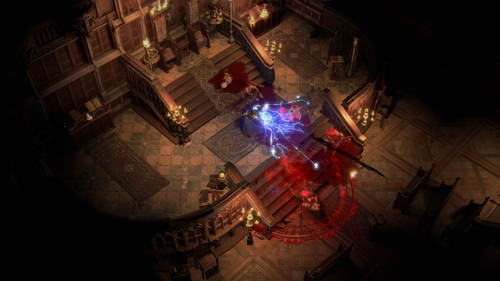
The May 29 patch didn't feel like a small seasonal reset. It felt like Grinding Gear Games had finally decided to give Path of Exile 2's early access endgame a proper spine. Return of the Ancients brought the Runes of Aldur league, a rebuilt Atlas, two new Ascendancies, and the in-game Build Planner in one hit. That's a lot to take in, even for players who live in maps. If you're planning gear swaps, early crafting, or trade goals, keeping an eye on PoE2 Currency matters more than usual because patch 0.5 pushes value into bases, runes, Omens, and league-specific materials instead of plain drops alone.
Runes of Aldur starts with Ezomyte Remnants, but it doesn't stay simple for long. You pick reward symbols, dead monsters get back up, and the encounter changes based on the runes you chose. Later areas add more slots, so the recipe system gets nastier and more rewarding as you move into maps. Verisium is the big crafting resource here. It can help add Runic Ward, reshape defensive rolls, improve Unique items, or make old low-level Uniques hit harder. Runic Ward is also tied to Runic Skills, which don't need gem colours, attributes, or weapons. That makes them easy to test, though you'll still need enough Ward to support them.
The old Infinite Atlas could feel a bit like wandering through fog. Patch 0.5 changes that. The new Atlas has fixed points of interest, clearer regions for mechanics, and questlines that lead toward weaker versions of pinnacle bosses before the real fights. Ritual has a large cluster west of the starting area, while other mechanics have their own natural homes too. Towers still reveal nearby areas, but now they feed into larger progression arcs. Fortresses can block regions, special encounters can appear inside them, and completing those areas grants Atlas passive points. It's less random, and honestly, that makes farming feel less wasteful.
Breach now opens with an Unstable Breach and a timer bar, so you know exactly how hard you're pushing. Kill fast enough and the breach stabilises, leading to tougher enemies and better chances at meaningful rewards. The Genesis Tree gives Breach its own crafting identity through Hiveblood and Wombgifts. Delirium is easier to chase as well, with fixed Atlas access and a visible delirium meter. Ritual still uses Tribute from slain monsters, but baseline rewards now lean toward Uniques or Omens. Expedition ties into Aldur Remnants from Act 4 onward, which means one bad symbol choice can turn a chain into a real mess.
The Spirit Walker gives Huntress players a Wisp-focused Ascendancy with possession bonuses and beast-taming flavour. The Martial Artist does something different for Monk, leaning into equipment-based scaling and mirage attacks. Neither feels like a tiny side option. The Build Planner also helps a lot here. Players can drop.build files into the BuildPlanner folder, load them in-game, and follow highlighted passives, skills, and notes without tabbing out every five minutes. It won't replace proper theorycrafting tools for DPS checks, but it's a good guide-following system. For players testing fresh builds or shopping upgrades, PoE2 Currency for sale can be part of planning, especially when early league prices swing hard between runes, white bases, and chase Uniques.