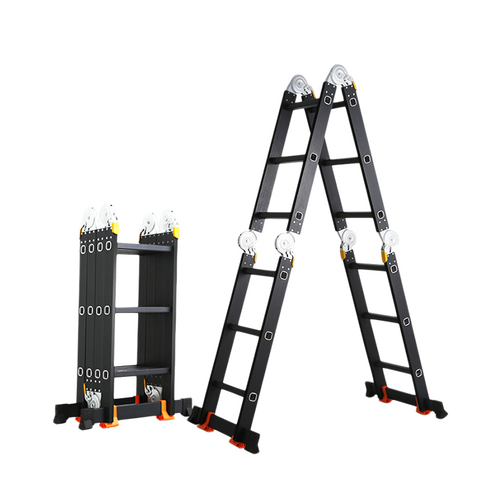
The performance and appropriate use of a single ladder are significantly influenced by its material composition. Aluminum ladders offer a favorable combination of strength and light weight, making them convenient for frequent transportation and positioning. Their metallic construction provides good durability, though they conduct electricity and require caution near power sources. Fiberglass models address this concern with non-conductive properties, suitable for electrical work or environments where this hazard exists. Wooden ladders, while less common in professional settings today, still appear in certain applications and offer natural insulation, though they require more maintenance and can be comparatively heavier.
Maintenance practices vary according to ladder material but share common principles. Regular visual inspection should check for structural compromises like bends, cracks, or splits, particularly at connection points where rungs meet side rails. Hardware should remain tight and functional. Wooden ladders require checking for splintering, rot, or loose joints, while metal and fiberglass ladders need examination for corrosion, weathering, or UV damage. Cleaning to remove accumulated dirt, paint, or substances that could create slipping hazards forms part of proper care. Appropriate storage in a dry location, protected from extreme temperatures and direct sunlight when possible, helps preserve a single ladder's condition and extends its serviceable life across numerous projects.
Design variations within the single ladder category address specific functional needs. Industrial-grade ladders feature reinforced construction with thicker side rails and rungs to handle demanding work environments and heavier loads. Type IAA, IA and I ratings indicate different weight capacities for commercial and industrial use. Some single ladders incorporate platform steps at the top, providing a more secure standing area for tasks requiring extended time at height. Other designs include features like tool trays, handhold openings in top steps, or specialized feet for soft or uneven ground. These adaptations demonstrate how the basic single ladder concept evolves to meet particular workplace requirements.