
In an era of hand-holding tutorials and glowing quest markers, Path of Exile 1 feels like a relic from a different age. It does not explain itself. It does not apologize for its complexity. It drops you on a desolate beach with a rusted weapon and expects you to figure things out. This design philosophy is not accidental. It is a deliberate choice, and it is the reason the game has maintained a passionate following for over a decade. Path of Exile 1 respects your intelligence. It trusts that you are capable of learning, failing, and improving. Two keywords capture this philosophy: complexity and player agency.
Complexity is the first thing new players notice about Path of Exile 1. The passive skill tree is a sprawling web of over 1,300 nodes. The skill gem system allows any class to use any skill, but linking support gems correctly requires understanding socket colors and connections. The currency system has no gold, only orbs that both craft items and serve as money. The endgame Atlas has its own skill tree. There are a dozen past league mechanics, each with its own rules, vendors, and rewards. The game does not force you to engage with all of these systems at once. It introduces them gradually as you progress through the acts. But it never stops to explain them in detail. You are expected to read. To experiment. To fail. To look things up on the wiki. To ask questions in global chat. To learn from your mistakes.
This complexity is not bloat. It is depth. Every system in Path of Exile 1 interacts with other systems. Your passive tree choices affect which skill gems are viable. Your skill gem choices affect which ascendancy class you should take. Your ascendancy class affects which item modifiers you prioritize. Your item modifiers affect which crafting methods you use. The systems are woven together like a web. Pull one thread, and the whole tapestry shifts. Understanding this web takes time. Hundreds of hours. But that time is not wasted. It is investment. The more you learn, the more the game opens up. A new player sees a confusing mess of orbs and nodes. A veteran sees infinite possibilities.
Player agency is the second pillar. Path of Exile 1 does not tell you how to play. It does not have a recommended build. It does not force you into a specific endgame activity. You decide everything. What skill do you want to use? What class do you want to play? Do you want to focus on critical strikes or damage over time? Do you want to build around a unique item or craft a rare? Do you want to farm maps, delve into the mine, or hunt syndicate members? The game does not care. It presents you with tools and lets you choose.
This agency extends to character failure. You can absolutely make a character that cannot progress past act six. The game will not stop you. It will not warn you that your resistances are too low or your life pool is inadequate. It will simply let you die until you figure out the problem. This sounds cruel, and it is. But it is also honest. The game respects you enough to let you fail. And failure is the best teacher. Every veteran player has a story about their first character, the one that hit a brick wall in the middle of the campaign. That failure taught them about resistances. About life nodes on the passive tree. About the importance of a proper four-link. They rolled a new character. They did better. They learned more.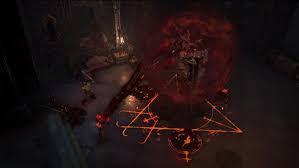
Path of Exile 1 is not for everyone. Some players want a game they can relax with after work, a game that guides them gently and rewards them consistently. That is fine. Those players should play something else. Path of Exile 1 is for the players who want to be challenged. Who want to think. Who want to solve problems. Who want to feel smart when they finally understand a system that confused them for weeks. The game does not respect your time in the sense of being efficient. You will spend hours reading the wiki. You will spend hours theorycrafting in third-party tools. You will spend hours trading for the right items. But the game respects your intelligence. It assumes you are capable. It assumes you will figure it out. And when you do, the satisfaction is immense. You earned it. The game did not give it to you. That is the Mirage League Summary Currency difference.