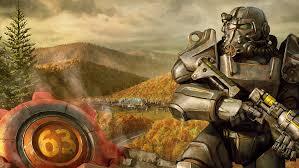
Few games have embarked on a journey as dramatic and transformative as Fallout 76. Its launch in 2018 is now a well-documented chapter in gaming history, a case study of ambition clashing with harsh reality. Emerging into an Appalachia devoid of human NPCs, players found a beautiful but barren world, plagued by technical instability and a profound sense of emptiness. The core premise—that the dwellers of Vault 76 were the first to reclaim America—felt less like an adventure and more like a lonely chore. The initial reception was a storm of criticism, and the future of this online experiment seemed uncertain at best.
Yet, the story did not end there. What followed has been one of the most comprehensive and committed **evolution**s in live-service gaming. Bethesda embarked on a multi-year roadmap of updates that systematically addressed the game's foundational shortcomings and, more importantly, redefined its very soul. The pivotal "Wastelanders" update in 2020 was nothing short of a renaissance. By introducing human NPCs with fully voiced dialogues, branching quests, and the factions of the Settlers and Raiders, it injected narrative choice and lifeblood into the world. Suddenly, Appalachia had a present tense, not just a past. This was followed by further substantial chapters like "Steel Dawn," which brought the iconic Brotherhood of Steel to the region, proving that new stories could be woven seamlessly into the existing tapestry.
This **evolution** extended far beyond narrative. It reshaped the entire player experience. Quality-of-life improvements arrived steadily, from expansive storage solutions to improved crafting systems. New public events and seasonal activities provided structured, communal goals. The introduction of Expeditions to "The Pitt" and later "Atlantic City" offered dense, repeatable mission zones with their own self-contained stories and valuable rewards, expanding the world beyond West Virginia's borders. The game's notorious stability issues were gradually, though not perfectly, ironed out, creating a far more reliable foundation for its community.
Perhaps the most significant transformation, however, has been in the game's atmosphere. The lonely, silent wasteland has matured into a quirky, sometimes unpredictable, social space. Player **C.A.M.P.s** dot the landscape, ranging from efficient trading posts to absurdist theme parks, creating a player-driven economy and culture. The community, forged in those difficult early days, developed its own etiquette of generosity, with veterans often gifting aid to newcomers. Public events now see strangers wordlessly cooperating to take down colossal monsters, sharing loot and revived teammates.
Fallout 76 Items stands as a testament to perseverance. It has not simply been patched; it has been conceptually rebuilt around its players. It successfully blends the classic Fallout themes of exploration and dark humor with a shared-world framework that encourages both collaboration and personal expression. From a promising but flawed experiment, it has evolved into a unique and thriving online role-playing game, a living monument to the idea that even the rockiest of beginnings can, through sustained effort and listening to one's community, lead to a remarkably vibrant second act. The wasteland, once a place of quiet desolation, now buzzes with the persistent, stubborn noise of rebuilding.