
Since its launch, Fallout 76 has transformed from a controversial experiment into a living, breathing online world that continues to evolve. Set in the hills and valleys of post-apocalyptic Appalachia, the game invites players to step out of Vault 76 and shape the future of a shattered America. Unlike previous entries in the franchise, this chapter focuses heavily on multiplayer survival, shared storytelling, and community-driven rebuilding. Over time, steady updates and expansions have reshaped public perception and strengthened its identity.
One of the most compelling aspects of Fallout 76 is its environmental storytelling. Appalachia feels distinct from the wastelands of earlier Fallout titles. The forests are dense, the towns are hauntingly quiet, and the skies often glow with radiation storms. Every abandoned farmhouse and crumbling amusement park tells a silent story of what once was. The map design encourages exploration, rewarding curiosity with hidden bunkers, rare crafting plans, and unexpected encounters.
The introduction of human NPCs marked a turning point. Their arrival added dialogue trees, faction reputations, and moral choices that brought the world closer to the classic Fallout formula. Players can align themselves with groups seeking to restore order or exploit the chaos for personal gain. These decisions subtly shape how certain characters respond, giving weight to player agency in a shared online environment.
Combat in Fallout 76 balances traditional first-person shooting with RPG mechanics. The V.A.T.S. system returns, adapted for real-time multiplayer, allowing strategic targeting without completely pausing the action. Character builds remain central to progression. Through the S.P.E.C.I.A.L. system and perk cards, players can craft identities ranging from stealthy snipers to heavy-gun power armor tanks. This flexibility fuels experimentation and keeps long-term play engaging.
Another defining feature is the C.A.M.P. system, which empowers players to build portable bases almost anywhere on the map. Construction becomes more than cosmetic decoration; it is tied to survival and self-expression. Some players design fortified strongholds bristling with turrets, while others create roadside shops to trade supplies with wanderers. These player-built spaces add personality to the landscape and reinforce the game’s emphasis on rebuilding rather than merely surviving.
Seasonal events and large-scale public encounters keep the world dynamic. Massive boss fights against mutated creatures demand cooperation, turning strangers into temporary allies. These shared battles highlight the social core of the experience. Even brief interactions—like exchanging supplies or helping defend a workshop—can create memorable moments of camaraderie.
Over the years, consistent content updates have expanded quests, refined mechanics, and addressed early criticisms. The developers have demonstrated a commitment to listening to community feedback, gradually refining balance and quality-of-life systems. As a result, Fallout 76 now feels more stable and content-rich than at launch, offering a deeper and more welcoming experience for newcomers.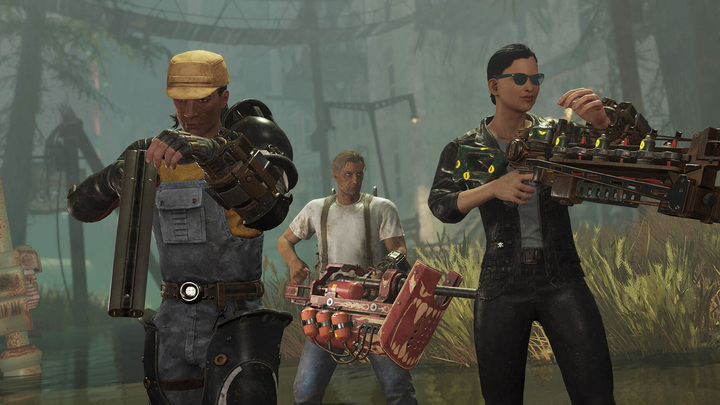
Fallout 76 Items is about resilience. The wasteland is dangerous, unpredictable, and often lonely, yet it is also full of opportunity. Players are not just scavengers picking through ruins; they are architects of a fragile new society. Through cooperation, creativity, and perseverance, the once-empty hills of Appalachia become a testament to survival and shared rebuilding in a world forever changed.